As the gardening industry continues to flourish, experiential marketing is becoming essential for brands to truly connect with their audience. Today’s consumers want more than just a product – they crave memorable, hands-on experiences, especially in a sector like gardening, which thrives on creativity, education, and inspiration.
Studies show that 9 out of 10 shoppers enjoy experiencing a product firsthand, proving that brands investing in experiential marketing are more likely to attract and retain customers. But how can garden brands create these meaningful interactions?
What is Experiential Marketing?
Experiential marketing is all about inviting consumers to participate, rather than just receiving a message. It gives them a chance to immerse themselves in a brand’s story, products, and values through interactive workshops, live events, demonstrations, or pop-ups.
Why Experiential Marketing Matters
In an increasingly digital world, people crave real-world, authentic experiences. For gardening brands, this can make all the difference:
- Building emotional connections: Gardening is about creating beauty and boosting well-being. Immersive experiences, like hands-on workshops or interactive displays, help consumers feel connected to your brand and foster long-term loyalty.
- Differentiating your brand: In a crowded marketplace, real-world experiences make your brand stand out. Pop-ups, in-store demos, or live events create memorable moments that digital campaigns alone can’t match.
- Increasing awareness and loyalty: Engaged consumers are more likely to share their experiences on social media or with friends, expanding your reach and strengthening brand loyalty.
If you want inspiration on experiential campaigns, check out some of our client case studies to see what’s worked in the home and garden sector.
How Garden Brands Can Use Experiential Marketing
The key to success is authenticity and engagement. Here are some practical ways to bring it to life (and some examples of how we’ve done it with our clients in recent months!)…
1. Interactive Events & Workshops
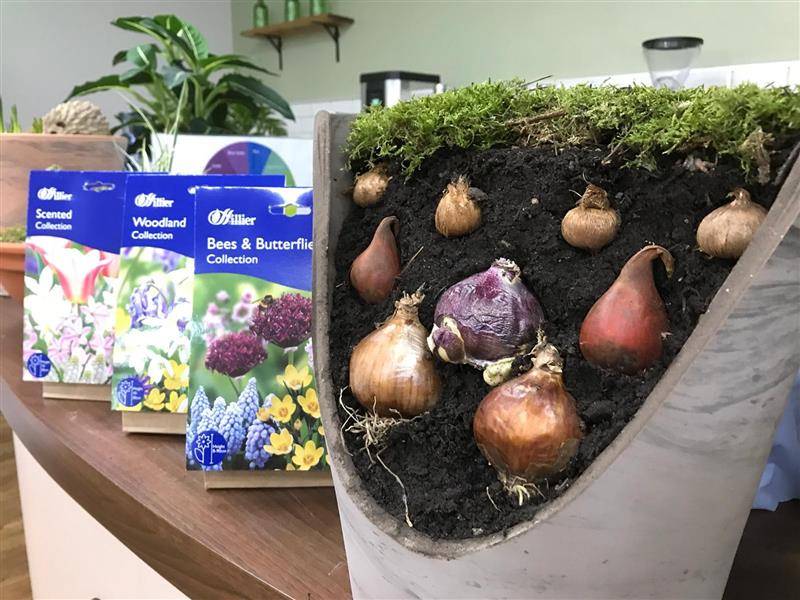
Hands-on workshops, like DIY planters or pruning tutorials, allow customers to interact directly with products while learning useful skills. Brands such as David Austin Roses and Hillier Garden Centres use workshops year-round, from rose care and pruning sessions to bulb planting and festive events like Breakfast with Santa. These kind of on-site experiences drive engagement and footfall, giving consumers a reason to visit beyond shopping alone.
2. Pop-Up Gardens & Demonstrations
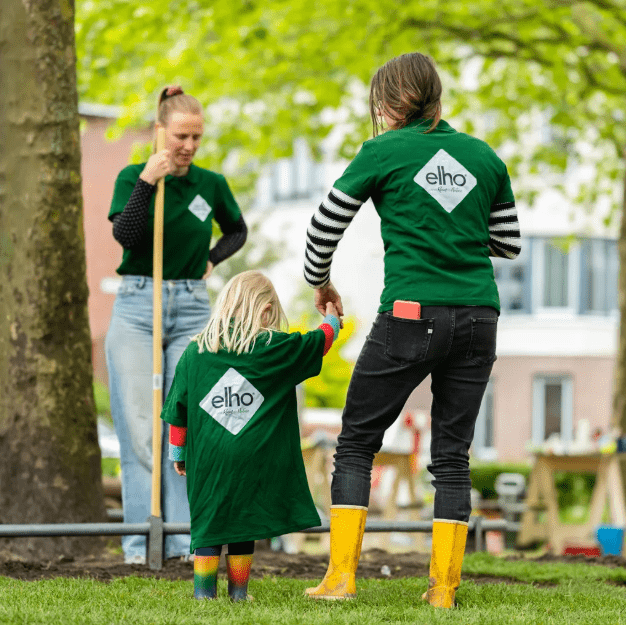
Pop-up garden installations and on-the-road events let customers touch, see, and try products in a real environment. For example, elho brings greenery into urban spaces across the Netherlands with its ‘Green Doers’ campaign, transforming local neighbourhoods with its plant pots and products, and recently hosted its very own pop-up store in Paris. Not only does this bring the products to the consumer, it’s also very newsworthy and great for PR – win win!
3. Gardening Experience Centres
For larger brands, dedicated experience centres allow customers to walk through different garden setups and interact with plants and tools. Greenhouse brand Alitex, for example, often host open days for potential customers to explore the glasshouses on site and even see them being made. Technology can enhance these experiences, too – VR or AR can simulate gardening tasks, as seen when Henchman showcased its Fully Adjustable Tripod Ladder with VR at seasonal events and show.
Meaningful Interactions And Memorable Moments
Experiential marketing isn’t just a buzzword. It’s a powerful way for brands to connect with their audience. By creating meaningful interactions and memorable moments, brands can leave a lasting impression long after the experience ends.
Not sure where to start, or want to make sure your getting the most from your existing experiential marketing? We can help with marketing support, PR, and social content – just get in touch with us at hello@honestcommunications.co.uk