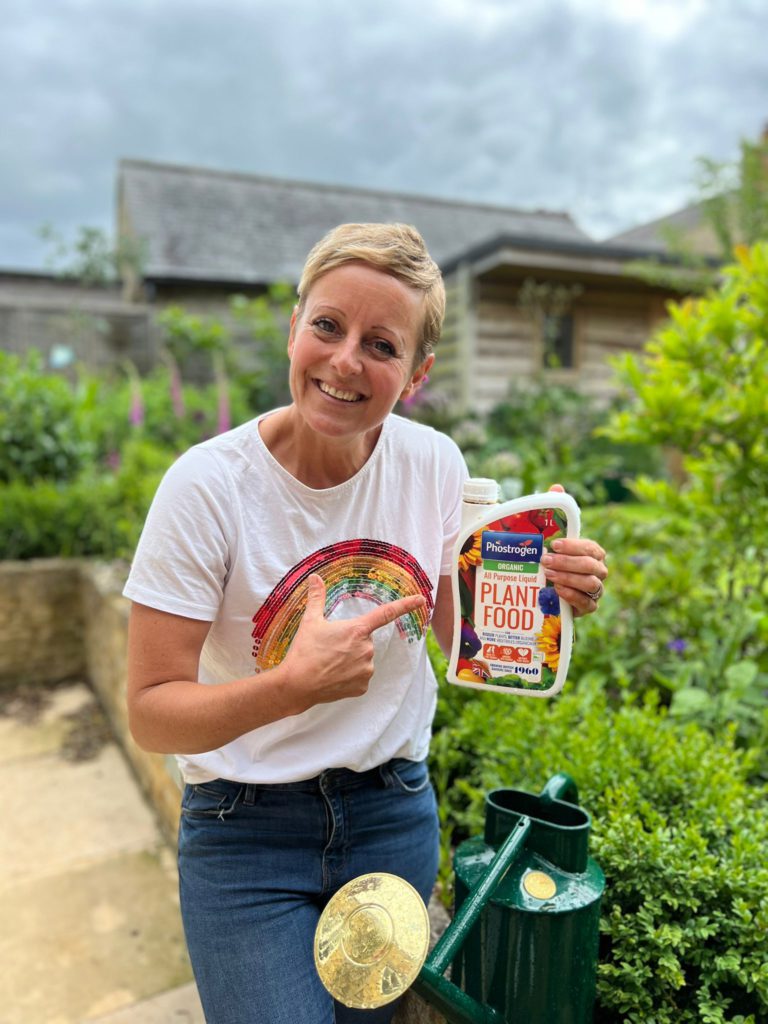
Influencer marketing has become a huge part of modern marketing strategies – and the gardening industry is no exception.
With UK adults spending an average of 1 hour and 37 minutes a day on social media, it’s no surprise that the way people discover products, get inspiration and make purchasing decisions has shifted dramatically. For garden centres and suppliers, influencers provide a direct route into highly engaged communities of people who genuinely love gardening, homes and outdoor living.
But when brands start exploring influencer activity, the same question usually comes up:
Should we pay influencers, or should we gift products and hope for coverage?
At Honest Communications, we regularly help brands navigate this decision. The reality is that both approaches have their place – and understanding the difference between them can help you get far more value from influencer marketing.
What is product seeding?
Product seeding is when a brand gifts a product to an influencer in the hope they’ll use it, love it, and share it with their audience.
There’s no contract and no payment involved, so there’s also no guarantee of coverage. But when an influencer does choose to feature the product, it often feels incredibly authentic and credible to their followers.
For gardening brands, this approach can work really well. Genuine recommendations carry a lot of weight in this space, particularly when audiences trust that the influencer actually uses the product in their own garden.
It’s also a great way to generate user-generated content (UGC) that brands can repurpose across social channels.
Product seeding is a particularly good option for smaller ticket items that can be gifted en masse. It’s something we do often for brands like Baby Bio and results in fantastic flurry of content at key times throughout the year.
The downside? It can be unpredictable. Some influencers may not feature the product at all, and others might showcase it in ways you can’t fully control. And if we’re honest, many influencers already have sheds, garages or greenhouses overflowing with gifted gardening products, so you must select product recipients carefully!
What about paid partnerships?
Paid partnerships are a more structured approach to influencer marketing.
In this case, the influencer is contracted and paid to create specific content. That means you know exactly what content will be created, when it will go live, and how your product will be featured.
This approach gives brands far more control over messaging. You can ensure key product benefits are included and often review content before it’s published. Many influencers also provide performance data, helping you measure how the collaboration performed.
Of course, the biggest challenge is budget. Influencer fees can vary hugely depending on the creator, their audience size and the scope of the content. Negotiating fees and allocating budget can feel like a bit of a minefield.
There’s also the legal side to consider: paid collaborations must be clearly labelled as ads. While this is essential for transparency, it can sometimes reduce the feeling of organic recommendation.
Undeniably though, paid partnerships result in brilliant content and generate real results. Take our recent campaign with Hillier Garden Centres, for example. We achieved a reach of over 84,000 and 4,000 engagements, with a platform growth of 30% – all for an average cost per view of £0.07 and cost per engagement of £1.26!
So, which approach works best?
We’ll admit it – this is where we sit slightly on the fence.
The most successful influencer strategies usually combine both product seeding and paid partnerships.
Product seeding is fantastic for creating organic buzz, reaching new audiences and testing which influencers genuinely connect with your brand.
Paid campaigns, on the other hand, are ideal when you need guaranteed coverage. They’re particularly useful for product launches or key seasonal moments, such as spring planting, summer outdoor living or Christmas decorating campaigns.
When used together, these approaches help ensure your brand is not only seen, but remembered for the right reasons.
One thing we always emphasise, though, is that authenticity matters more than anything else. The best collaborations happen when influencers genuinely align with your brand, share your passion for the category, and would realistically use your products in their own homes or gardens.
Our top tips for working with influencers
If you’re new to influencer marketing, here are a few things we always recommend:
Do your homework
Choose influencers who genuinely appeal to your target audience and align with your brand values. For example, someone known for growing dahlias might not be the best fit for promoting a new barbecue. It can be tricky to find the right person, but fortunately for the brands who work with us, they have access to our little black book of home and garden content creators, the Honest Network.
It’s not all about follower numbers
A handful of authentic posts from a micro-influencer can often be more powerful than a single mention from a big name.
Trust the creator
Influencers understand their audience better than anyone. Giving them some creative freedom usually results in more natural, engaging content.
Focus on relationships, not transactions
The best influencer collaborations come from long-term relationships. When influencers genuinely like your brand, they often continue mentioning it – sometimes without even being asked.
Need a hand with influencer marketing?
At Honest Communications, influencer marketing forms a key part of the work we do for brands across the home and garden sector. We support clients including Baby Bio, Maxicrop, Charles Bentley and Hillier Garden Centres with campaigns that blend product seeding, partnerships and long-term creator relationships.
If you’d like to explore how influencer marketing could work for your brand, we’d love to chat.
Drop us a message at hello@honestcommunications.co.uk